WHAT WE INSTALL
Exterior Moulding Types We Install in Toronto
Exterior moulding in an EIFS and stucco context is not surface-applied trim — it is an integrated component of the cladding system, installed before the base coat and finished as a continuous assembly with the surrounding wall. This integration is what makes professionally installed moulding perform through Toronto’s freeze-thaw cycles without separating, cracking, or allowing water infiltration at edges.
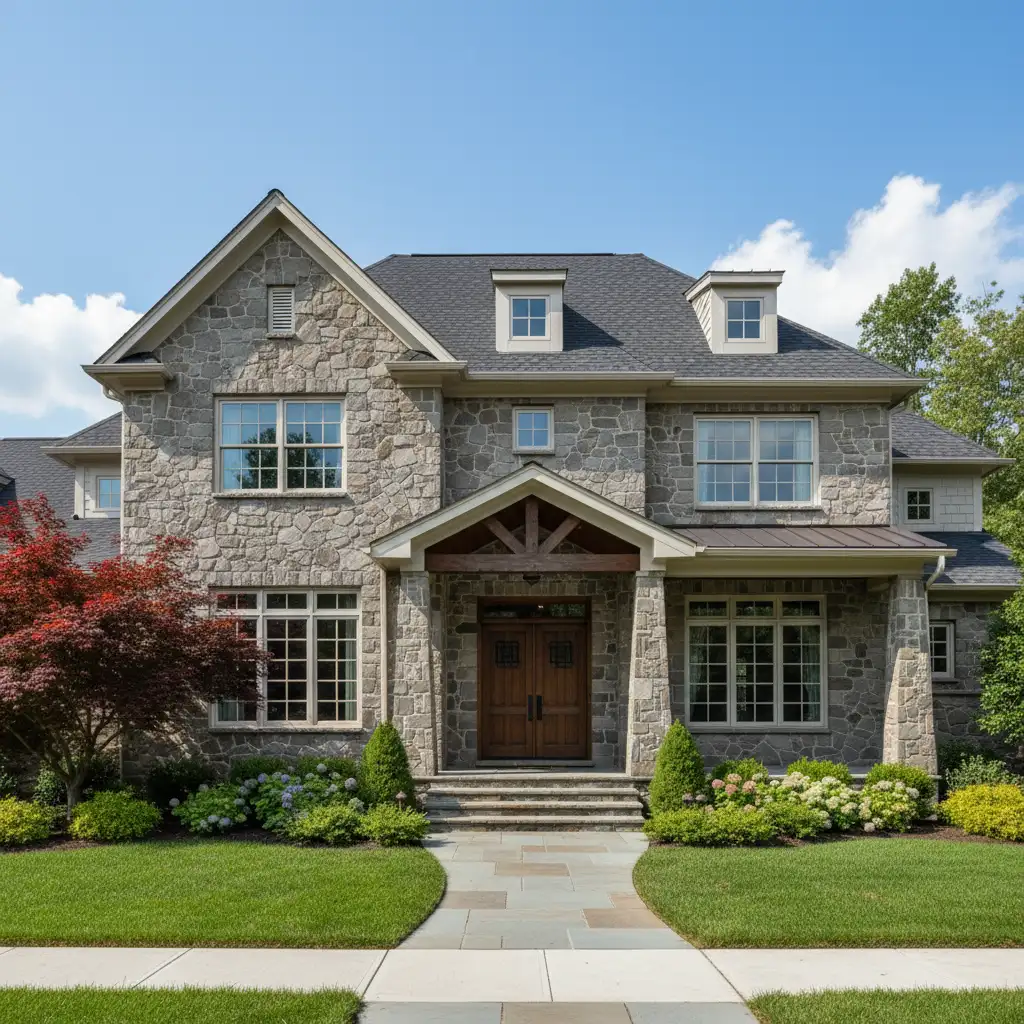
Our team installs the full range of architectural exterior moulding profiles on Toronto and GTA homes and commercial properties:
Window Surrounds Profiled frames applied around window openings, typically projecting 25–75mm from the wall plane. Window surrounds are the single most impactful moulding element — they give every window on the facade a defined, intentional border and eliminate the blank visual transition between window frame and stucco field. Available in flat (contemporary), stepped (traditional), and sculpted (heritage-inspired) profiles.
Sill Extensions and Drip Sills Horizontal moulding below window openings that creates visual weight and — critically — properly directs water away from the wall rather than allowing it to run down the stucco face. All sill moulding we install includes a drip edge profile. Sills without a drip edge are one of the leading causes of stucco staining and water infiltration on Toronto facades.
Quoins Alternating large and small block profiles applied at building corners, referencing traditional stone quoin masonry. Quoins add visual anchoring to corners, create material contrast, and reference classical architectural tradition. Particularly effective on colonial, Georgian, and traditional GTA homes. Available in smooth, rusticated, and textured finishes.
Reveal Lines and Banding Scored or applied horizontal and vertical lines that divide the facade into proportioned panels. A single horizontal reveal at the first-floor-to-second-floor transition dramatically improves the visual composition of a two-storey home. Banding can be used to create base courses, belt courses at window sill level, or full grid compositions on contemporary properties.
Base Trim and Water Table A heavier horizontal moulding at the base of the stucco field, creating a visual and functional transition to the parging or stone veneer below. The base trim defines the bottom boundary of the stucco system and helps direct water away from the foundation transition.
Cornice and Crown Profiles Decorative top profiles at roofline, parapet, or gable, adding architectural completion to the top of the facade. Used on traditional homes and on commercial buildings where the roofline needs visual definition.
Arch Surrounds and Keystones Curved profiles over arched window or door openings, with optional single keystone accent at the crown of the arch. These elements work on both heritage properties and on contemporary homes with arched entry features.
Decorative Column Wraps and Pilasters Applied profiles on porch columns and entry pilasters that coordinate with the surrounding moulding vocabulary and bring the entry detail into alignment with the full facade composition.
How Alasya Installs Exterior Moulding in Toronto
Initial Consultation
Discuss your moulding needs and receive a detailed, transparent quote for installation or repair.
Project Scheduling
We coordinate timelines and prepare materials to ensure minimal disruption to your home or business.
Project Completion
Our certified installers execute precise, high-quality work, delivering a beautiful and durable finish on time and on budget.
Exterior Moulding Cost in Toronto — 2026 Pricing
Moulding Element | Cost Range | Unit |
|---|---|---|
| Window surround (flat, contemporary) | $200 – $380 | Per window |
| Window surround with sill extension | $320 – $600 | Per window |
| Quoins (two-storey corner, full set) | $800 – $1,800 | Per corner |
| Reveal lines / banding | $8 – $18 | Per linear foot |
| Base trim / water table | $12 – $22 | Per linear foot |
| Arch surround | $400 – $900 | Per arch |
| Keystone accent | $150 – $350 | Per unit |
| Cornice / crown (simple profile) | $15 – $30 | Per linear foot |
| Full moulding scheme — average GTA home | $6,000 – $18,000 | Project total |
When moulding is installed as part of a full EIFS re-clad, the incremental cost is lower than standalone installation because the base coat and finish coat application are already in scope. Homeowners who combine EIFS installation and moulding design in a single project consistently achieve the best value and the most integrated visual result.

WHY IT MATTERS
Why Exterior Moulding Adds Real Value in the GTA
The difference between a Toronto home with well-designed exterior moulding and one without is visible from the street and measurable at sale. Moulding introduces shadow lines, depth, and proportioned composition to a rendered facade — qualities that buyers interpret as evidence of quality construction and careful ownership.
Real estate professionals consistently cite exterior presentation as the primary driver of first-impression value in the GTA market. Two homes of identical size in the same neighbourhood will be perceived and priced differently based on exterior finish quality. A full moulding scheme on an EIFS home is one of the highest-return exterior investments available because its cost is low relative to its impact on perceived value.
Beyond aesthetics, properly installed exterior moulding serves a functional role: sill extensions and drip profiles direct water away from the wall, base caps create clean transitions that reduce water pooling at grade, and integrated assembly eliminates the failure-prone interface points that come from surface-applied trim.
- Protects windows, doors, and façades
- Enhances curb appeal and property value
- Residential and commercial services
- Durable, low-maintenance materials
- Installed by certified, experienced exterior contractors
Choosing the Right Moulding Style for Your Toronto Home
Contemporary and modern homes work best with clean, flat profiles — a sharp reveal line, simple square surrounds, minimal projection. The goal is to organize the facade without decorating it.
Traditional, colonial, and craftsman homes support more projecting profiles — stepped window surrounds, quoins, layered base caps. These reference architectural traditions that have genuine affinity with rendered masonry finishes.
Victorian and Edwardian homes (common across The Annex, Cabbagetown, Riverdale, and Rosedale) support the most detailed profiles — richly profiled cornices, sculpted keystones, decorative pilasters. The moulding vocabulary is already established by the building; our role is to restore or extend it.
The most common mistake is applying too many moulding elements without proportional logic. We guide every client through a design process that uses a limited, well-considered vocabulary applied consistently rather than adding every available element to the facade.
We provide full colour and layout design as part of our estimating process — there is no design fee.
Need Info About Exterior Moulding Services?