
Masonry is one of the most durable and timeless construction techniques—but like anything exposed to the elements, it’s not invincible. Whether it’s brick, stone, or concrete, spotting signs of masonry damage early can save you thousands in repair costs down the line. In this post, we’ll guide you through the most common warning signs and how to address them before minor issues turn into major structural problems.
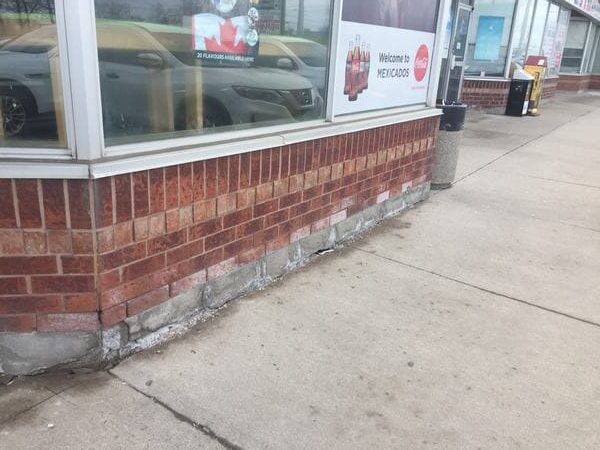
? 1. Cracks in Bricks or Mortar Joints
Cracks are one of the most obvious and frequent signs of masonry trouble. Not all cracks are created equal, though.
- Hairline cracks might be cosmetic and caused by natural settling.
- Stair-step cracks in the mortar joints are often a sign of foundation issues.
- Vertical or diagonal cracks could indicate shifting or moisture problems.
? Tip: Monitor the size and direction of cracks. If they’re getting larger or showing signs of movement, it’s time to call a pro.
? 2. Water Stains and Efflorescence
If you notice white, chalky deposits on your masonry surfaces, you’re likely looking at efflorescence—a salty residue caused by moisture traveling through the material.
- Water damage can weaken bricks over time, causing them to crack or spall (flake off).
- Efflorescence is an early warning that moisture is trapped inside your walls.
? Tip: Check for discoloration after heavy rain. Make sure your drainage and gutter systems are working properly to prevent water from soaking into your masonry.
? 3. Spalling or Flaking Bricks
Spalling happens when moisture enters the brick and freezes, causing the surface to peel, pop out, or crumble.
- It weakens the structure and ruins the appearance.
- Most common in older buildings or areas with harsh freeze-thaw cycles.
? Tip: Look for crumbling surfaces on chimneys, retaining walls, or around window sills—especially in colder months.
?️ 4. Loose or Missing Mortar
Mortar acts like the glue between your bricks or stones. When it begins to deteriorate, the entire structure is at risk of becoming unstable.
- Gaps in mortar joints invite water and pests.
- Over time, the wall can shift, bulge, or collapse.
? Tip: Use a screwdriver to gently poke the mortar. If it crumbles easily, you may need repointing—a repair that replaces the old mortar with new.
? 5. Bulging or Bowing Walls
This is a serious issue. Bulging masonry walls could mean that water has entered behind the wall or that structural support has weakened.
- It can lead to full collapse if not addressed.
- Often seen in older brick buildings where anchors or ties have failed.
? Tip: From a distance, sight down the wall to check for bulges or uneven surfaces.
? 6. Vegetation or Insect Activity
If you see plants, moss, or even vines growing through masonry cracks, that’s a red flag.
- Roots can force cracks to widen.
- Insects, especially termites and carpenter ants, love damp areas near weakened mortar.
? Tip: Keep your masonry surfaces clean and free from overgrowth or soil buildup.
✅ What to Do If You Spot Damage
Don’t panic—but don’t ignore it either. Even minor issues can grow fast if moisture or pests are involved. Here’s what to do:
- Document the damage – Take photos of any cracks, bulges, or stains.
- Track the progress – Check regularly to see if it’s spreading or worsening.
- Call a masonry professional – A licensed contractor can evaluate the damage and recommend repairs, whether it’s tuckpointing, sealing, or replacing damaged bricks.

? Final Thoughts
Your brick or stone surfaces were built to last—but they still need your attention. Regular inspections, especially after seasonal changes, can help you catch problems early. Remember: masonry damage is easiest (and cheapest) to fix when caught early.
If you’re not sure what you’re seeing or want an expert opinion, don’t wait. Book a professional masonry inspection and protect your home or building from long-term damage.