
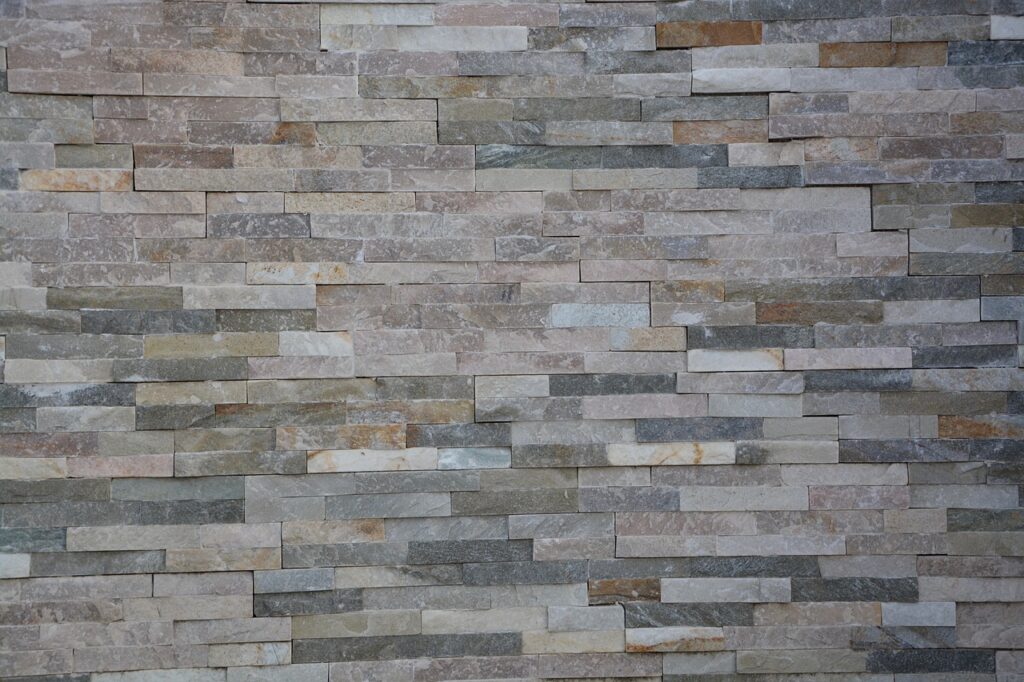
Stone veneer is one of the lowest-maintenance exterior cladding options available. But ‘low maintenance’ is not ‘no maintenance’ — particularly in Toronto, where road salt, freeze-thaw cycling, and humid summers create challenges that homeowners in milder climates simply don’t face.
The good news: if your stone veneer was professionally installed, routine maintenance is straightforward and inexpensive. The key is knowing what to look for each season, which cleaning products are safe, and when a maintenance issue has become a repair issue that needs professional attention. At Alasya Construction, we’ve been installing and maintaining stone veneer across the GTA for over 15 years. Here’s what we tell every client after we finish a project.
What Damages Stone Veneer in Toronto’s Climate
Understanding what you’re protecting against makes the seasonal care routine make more sense.
Road salt.
Properties near major streets, highways, or in areas receiving heavy City of Toronto salting are exposed to salt spray and runoff. Salt attacks mortar joints, accelerates efflorescence, and over time degrades the bond between stone and substrate.
Freeze-thaw cycling.
Water that enters mortar joints or sits on horizontal surfaces freezes at 0°C and expands by 9%. Over multiple cycles, this mechanical force widens joints, loosens stones, and eventually causes delamination. Toronto averages 50–80 freeze-thaw cycles per year.
Biological growth.
The GTA’s humid summers encourage moss, algae, and lichen growth on north-facing and shaded stone surfaces. Left untreated, biological growth retains moisture against the stone and mortar, accelerating deterioration.
Efflorescence.
The white powder or streaks appearing on masonry are mineral salts drawn out by water movement through stone and mortar. It is cosmetic in most cases, but persistent efflorescence indicates ongoing water movement that warrants investigation.
Spring — Inspection and Efflorescence Treatment
Spring is the most important maintenance period for stone veneer in Toronto. The winter freeze-thaw season is over and any damage it caused is now visible.
Annual Inspection Checklist
- Walk the full perimeter of the installation at close range
- Look for cracked or missing mortar joints
- Tap stones with your knuckles — a hollow sound indicates failed adhesion
- Check for water staining below joints and corners
- Inspect all horizontal transitions and flashing for gaps
Address efflorescence by dry-brushing with a stiff nylon brush (never wire). For persistent white deposits, a diluted masonry cleaner specifically formulated for stone — not concrete cleaner, not acid, not ammonia-based products — can be applied carefully. Always test on an inconspicuous area first. Do not pressure wash mortar joints in spring; joints weakened by winter may be damaged by high-pressure water.
Summer — Cleaning and Biological Growth
Summer maintenance is primarily about cleaning and preventing biological growth before it becomes established.
Routine Cleaning — What You Need
- A bucket of clean water with a small amount of mild dish soap
- A soft nylon brush or cloth
- A garden hose for rinsing
Avoid harsh cleaners. Products containing acid, bleach, or ammonia will damage both natural and manufactured stone veneer. The same applies to alkaline cleaners and high-pressure washing directly at mortar joints.
Treating Biological Growth
If green algae, moss, or lichen appears on shaded sections of stone, address it while it is new. A diluted solution of oxygen bleach (sodium percarbonate) applied with a brush and allowed to sit before rinsing is effective and safe for stone. Standard chlorine bleach is not recommended — it can discolour natural stone and damage mortar. For persistent or extensive growth, call a professional; the underlying issue is often a drainage condition that cleaning alone will not resolve.
Fall — Pre-Winter Inspection
Before Toronto’s freeze-thaw season begins, inspect your stone veneer for any joint or seal condition that will allow water entry during winter.
Fall Inspection Checklist
- Mortar joints for cracks, crumbling, or gaps — even small cracks should be re-pointed before first frost
- Sealant condition around window openings, corners, and wall penetrations
- Flashing at horizontal transitions — confirm it is directing water away from the wall
- Drainage at the base of the installation — ensure nothing traps water against the bottom course of stone
Re-pointing mortar joints in fall is one of the highest-return maintenance tasks a Toronto homeowner can do. A small repair in October prevents a major repair in March. Mortar for re-pointing must be compatible with the original installation — matching product type and colour matters for both adhesion and appearance.
Winter — What Not to Do
Winter maintenance is primarily about what to avoid.
- Do not use rock salt or calcium chloride deicers near stone veneer. Salt accelerates mortar joint deterioration. Sand is the safer option near masonry.
- Do not chip ice from the stone surface. Let it melt naturally or use warm (not hot) water. Tools damage both stone and mortar joints.
- Do not pressure wash in winter or early spring before mortar has fully dried after freeze-thaw cycling.
- Do not ignore new cracks that appear after a cold snap — note them for spring repair, and if they appear significant, call for an assessment before the next freeze cycle.
When to Call a Professional
Some stone veneer issues are maintenance. Some are repair. Knowing the difference saves money.
Call Alasya Construction if you notice any of the following:
- Stones that have shifted, cracked, or separated from the wall
- Hollow-sounding stones when tapped — indicates the bond coat has failed
- Water staining that consistently appears below the same joint after rain
- Mortar joints that are crumbling or missing across multiple courses
- Efflorescence that returns within weeks of treatment (indicates ongoing water movement through the wall)
We serve homeowners across Toronto, North York, Scarborough, Etobicoke, Vaughan, Mississauga, Markham, and Richmond Hill. Our stone veneer maintenance and repair team can assess your installation, identify the source of any issue, and provide a transparent estimate.
Questions About Your Stone Veneer? We’ll Take a Look — For Free.
Free on-site inspection across Toronto and the GTA
Call 905-917-4568 or visit Stone Veneer Toronto to learn more.